
In modern home design, windows are no longer just functional elements—they play a key role in shaping aesthetics, comfort, and energy performance. Among the many options available today, French casement windows stand out for their unique combination of elegance and practicality. These windows are designed to open fully, offering a seamless connection between indoor and outdoor spaces. Homeowners, architects, and interior designers are increasingly choosing it because they provide better airflow, improved natural lighting, and a refined architectural look.
What Are French Casement Windows?
It is double-panel windows that are hinged on the outer sides and open outward or inward from the center. Unlike traditional casement windows, they do not have a fixed vertical mullion (center post). This design allows both panels to open completely, creating a wide and uninterrupted opening.
Key Features and Design
One of the defining features of it is their symmetrical design. Both panels are typically equal in size and open in opposite directions. The absence of a central frame enhances visibility and allows more natural light to enter the room.
These windows often include:
- Multi-point locking systems for enhanced security
- Large glass panes for maximum light
- Slim or decorative frames depending on the design style
Because of these features, both visually appealing and highly functional.
How French Casement Windows Work
It operates using side-mounted hinges. Each panel can be opened individually or together, depending on the need. Most designs use a handle mechanism that allows smooth and controlled operation. Some models also include a crank system, especially in outward-opening designs, which makes it easier to operate the windows without applying too much force.
Inward vs Outward Opening
It can open either inward or outward, and each option has its own advantages.
Outward-opening windows:
- Save interior space
- Perform well in rainy conditions by preventing water entry
- Are more common in modern designs
Inward-opening windows:
- Are easier to clean from inside
- Work well in apartments or upper floors
- Allow better control in tight exterior spaces
Choosing between the two depends on your room layout, climate, and personal preference.
Locking System and Hardware
Security is an important factor when selecting windows. It typically features multi-point locking systems that secure the window at multiple positions along the frame. This not only improves safety but also ensures a tight seal when closed. High-quality hardware, such as durable hinges and corrosion-resistant handles, plays a crucial role in long-term performance.
Benefits of French Casement Windows
One of the biggest advantages of it is their ability to provide excellent airflow. Since both panels can open fully, they allow fresh air to circulate freely throughout the room. This makes them especially useful in warm or humid climates.
Clear and Unobstructed Views
The absence of a central divider means you get a wide, uninterrupted view of the outside. This feature is particularly beneficial for homes with gardens, balconies, or scenic surroundings.
Stylish and Modern Appearance
Add a timeless elegance to any space. Their clean lines and balanced design work well with both modern and traditional interiors. They can also enhance the overall value of a property by improving its visual appeal.
Energy Efficiency
When closed, form a tight seal that minimizes air leakage. This helps maintain indoor temperature, reducing the need for excessive heating or cooling. As a result, they contribute to better energy efficiency and lower utility bills.
French Casement Windows vs Standard Casement Windows
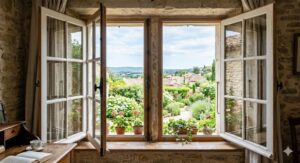
The primary difference lies in the structure. Standard casement windows usually have a single opening panel or a fixed center post. In contrast, it features two operable panels without a central barrier.
Performance Comparison
French casement windows provide better ventilation and a wider opening, making them ideal for larger spaces. Standard casement windows, on the other hand, are more compact and may be better suited for smaller rooms.
Which Option Is Better?
If your goal is to maximize airflow, natural light, and visual openness, it is the better option. However, if you are working with limited space or budget, standard casement windows may be more practical.
Materials Used in French Casement Windows
- Wooden Frames: Wood is a classic choice that offers a warm and natural appearance. It provides good insulation but requires regular maintenance to prevent damage from moisture and insects.
- uPVC / Vinyl Frames: uPVC is one of the most popular materials for French casement windows due to its durability and low maintenance. It is resistant to weather conditions and does not require painting or sealing.
- Aluminum Frames: Aluminum frames are known for their strength and sleek look. They are ideal for large window designs and modern homes. However, they may need additional insulation features to improve thermal performance.
Design Ideas for Modern Homes
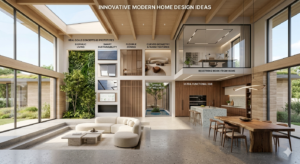
- Minimalist Designs: Minimalist it focuses on simplicity, using slim frames and large glass panels. This design enhances natural light and creates a clean, uncluttered look.
- Large Glass Panels: Using larger glass sections helps bring in more daylight and makes the room feel more spacious. This is especially useful in living rooms and open-plan areas.
- Color and Finish Options: Neutral colors such as white, black, and gray are commonly used in modern homes. Wood finishes and matte textures are also popular choices for adding character and depth.
Pros and Cons of French Casement Windows
| Advantages | Disadvantages |
| Provides superior ventilation due to full opening of both panels | Generally more expensive than standard window options |
| Offers wide, unobstructed outdoor views | Requires enough exterior or interior space to open fully |
| Enhances natural light inside the home | Installation cost can be higher depending on design and materials |
| Adds an elegant and modern aesthetic to any home | Some materials may require regular maintenance (especially wood frames) |
| Improves overall indoor comfort and air circulation | Not ideal for very small rooms or tight spaces |
Cost of French Casement Windows
The cost of it can vary widely depending on size, material, and customization. In general, they are considered a mid-to-high-range option compared to other window types.
Factors That Affect Cost
Several factors influence the final price, including:
- Frame material
- Glass type (double or triple glazing)
- Hardware quality
- Installation complexity
- Custom design features
Installation Tips
- Professional vs DIY Installation: While DIY installation may seem cost-effective, professional installation is highly recommended. Proper fitting ensures better insulation, smooth operation, and long-term durability.
- Common Mistakes to Avoid: Common mistakes include incorrect measurements, poor sealing, and choosing the wrong opening direction. These issues can affect both performance and lifespan.
Are French Casement Windows Worth It?
It is ideal for homeowners who want a combination of style, functionality, and natural light. They are particularly suitable for larger rooms and homes with scenic views. If you are looking for a window solution that enhances both design and performance, it is a worthwhile investment. Their long-term benefits often outweigh the initial cost.
Final Verdict
French casement windows offer a perfect balance between aesthetics and functionality. With their wide opening design, excellent ventilation, and modern appeal, they have become a preferred choice for contemporary homes. By selecting the right materials, design, and installation method, you can maximize the benefits of it and create a more comfortable and visually appealing living space.